
What Does Roof Warranty Cover? A Homeowner's Guide
A roof warranty is defined as a written guarantee that covers either defects in roofing materials, errors in installation workmanship, or both, depending on the warranty type. Most homeowners assume one warranty covers everything. That assumption leads to expensive surprises. Understanding what does roof warranty cover, and where coverage stops, is the difference between a protected investment and an out-of-pocket repair bill. Roof warranties typically include three distinct layers: a manufacturer material warranty, a contractor workmanship warranty, and an optional combined system warranty. Each covers different failure types, different time periods, and different costs.
What does roof warranty cover under manufacturer protection?
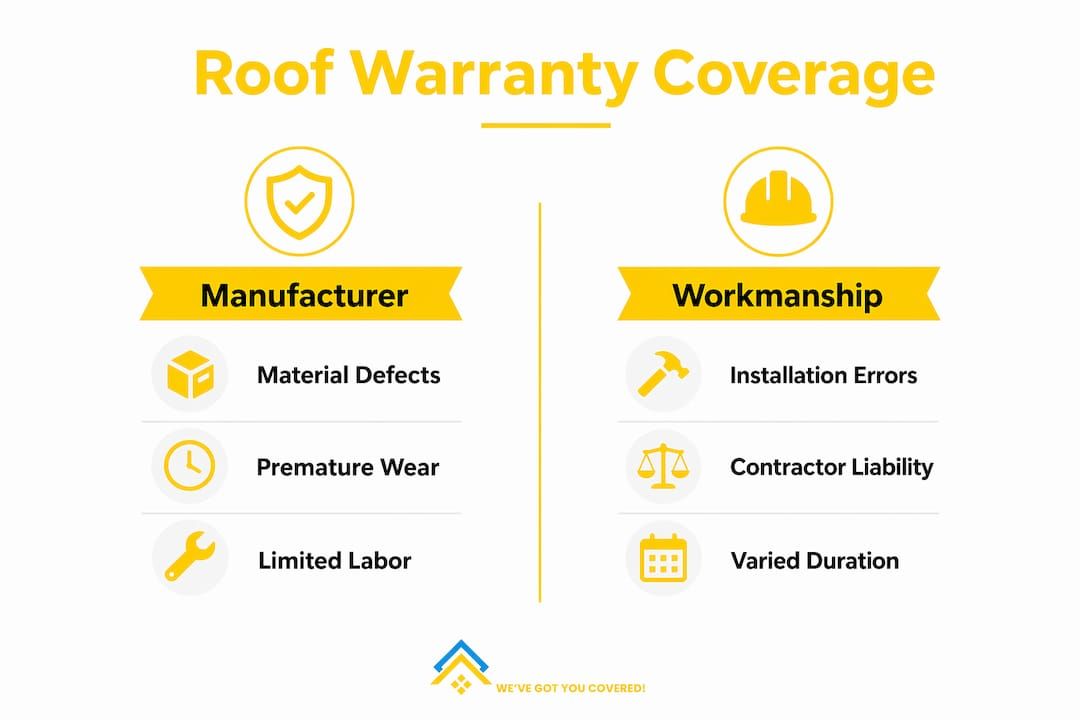
Manufacturer warranties cover defects in the roofing material itself. Premature granule loss, cracking, curling, and delamination are the most common covered failures. These warranties do not cover how the materials were installed.
Manufacturer warranties run 25–30 years, but the coverage structure changes significantly after year 10. Most drop to prorated coverage, meaning the manufacturer pays a declining percentage of replacement material costs as the roof ages. A 20-year-old roof under a prorated warranty may receive only a fraction of the material cost, leaving the homeowner responsible for the rest.
The most misunderstood limitation is what manufacturer warranties exclude entirely:
- Labor costs for removing and replacing defective materials
- Tear-off and disposal fees , which can represent 80–90% of total expense
- Installation errors of any kind
- Damage from weather events , including hail and wind
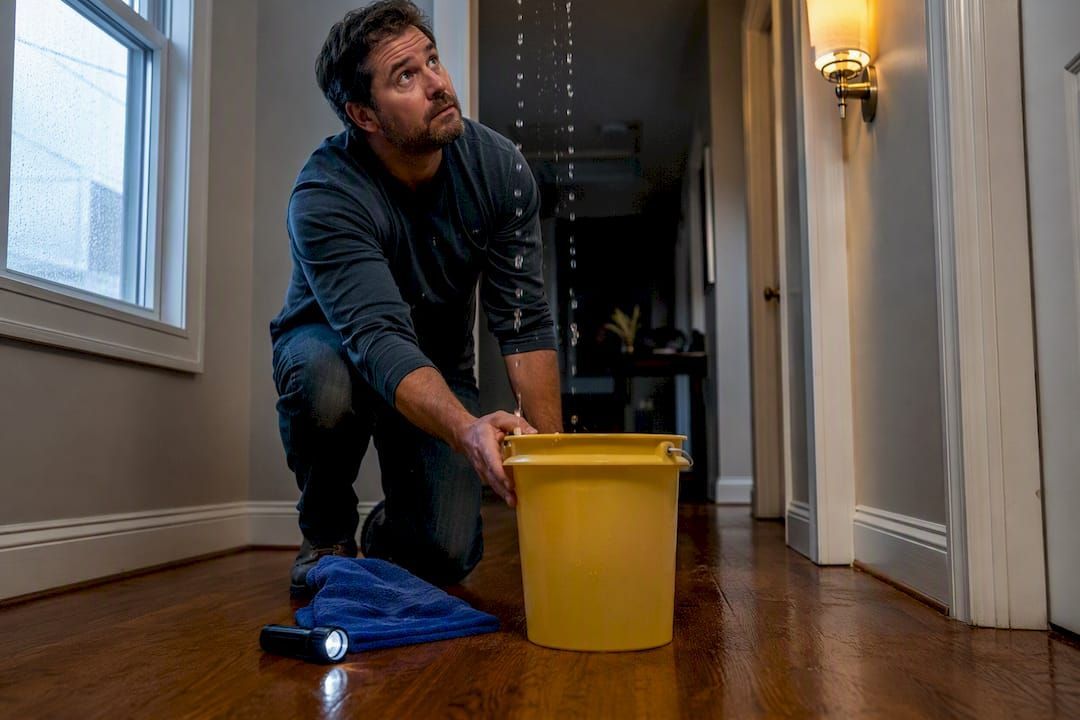
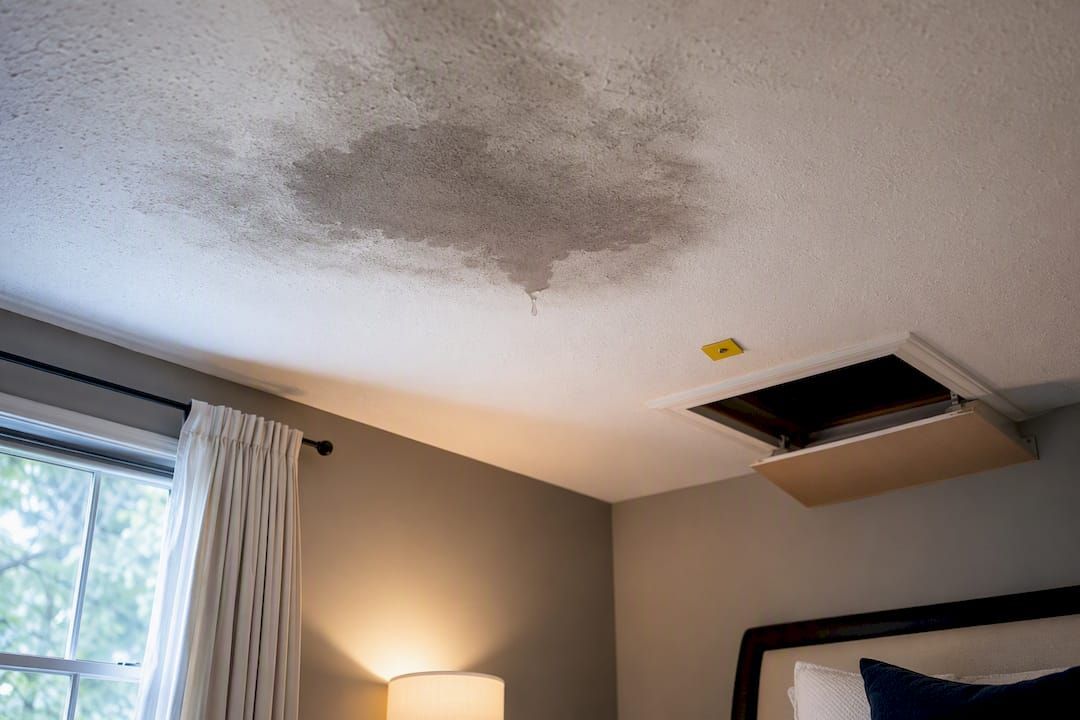
- Consequential damage such as interior water damage from a leaking roof
GAF, Owens Corning, and CertainTeed each offer tiered warranty programs. Higher tiers extend the non-prorated period and add labor coverage, but they require certified installers. The base warranty that comes with a standard shingle purchase is the most limited tier.
Pro Tip: Read the warranty document before signing a roofing contract. Ask specifically whether the coverage is prorated and at what year the proration begins. That single question reveals more about real coverage than any marketing brochure.
How does workmanship warranty coverage differ?
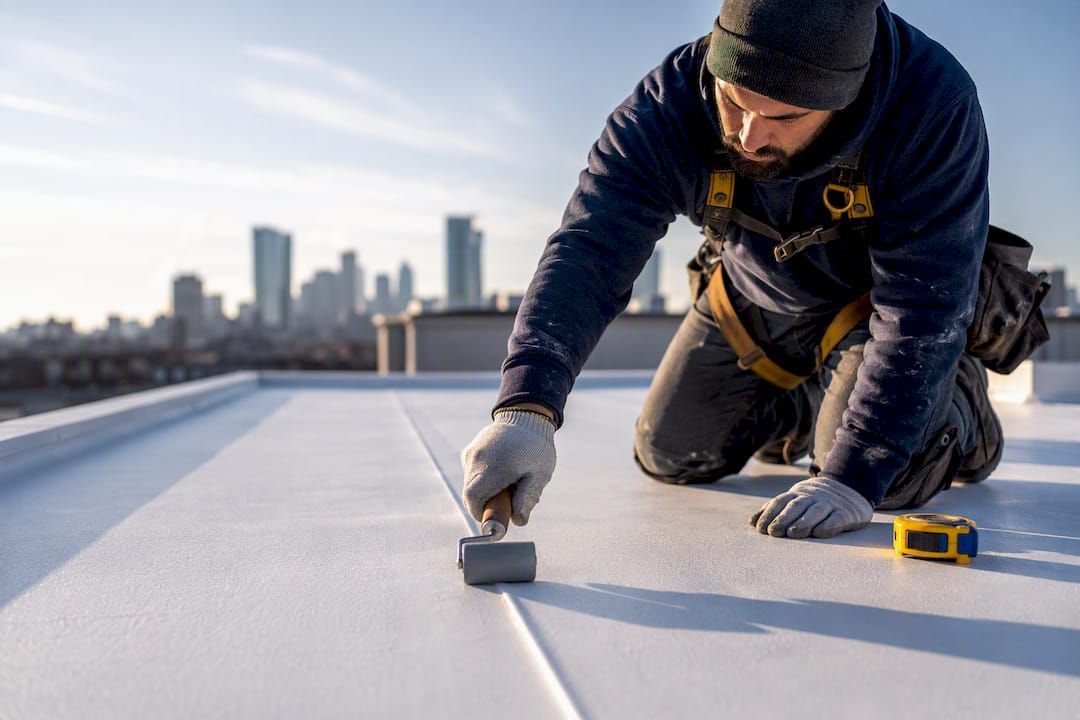
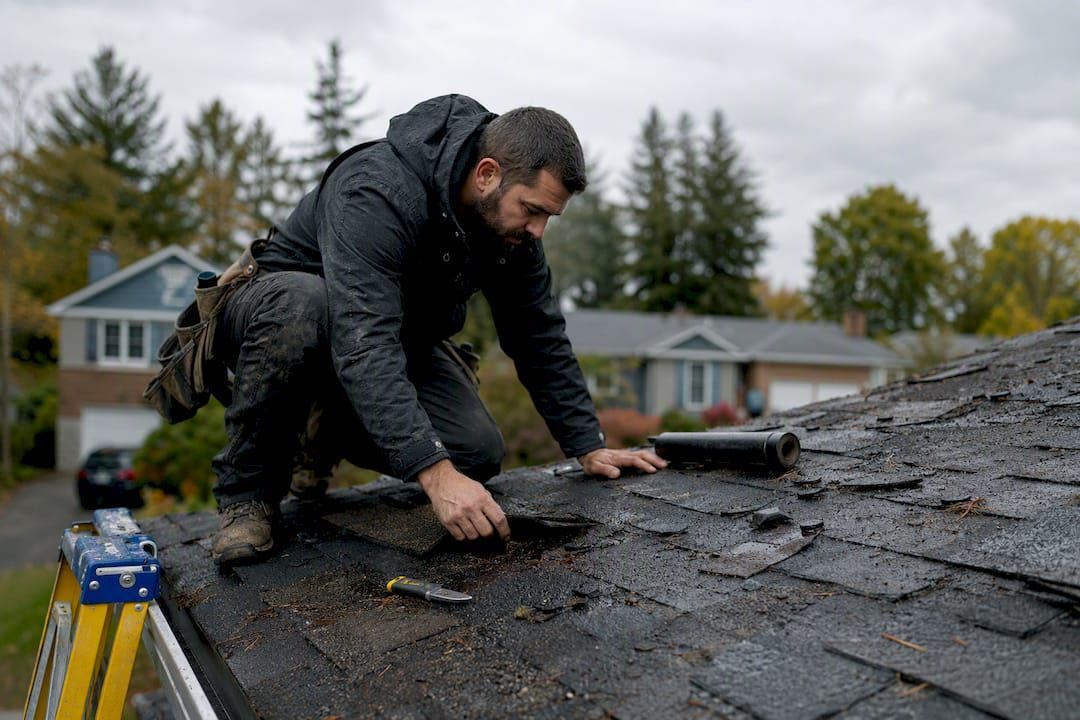
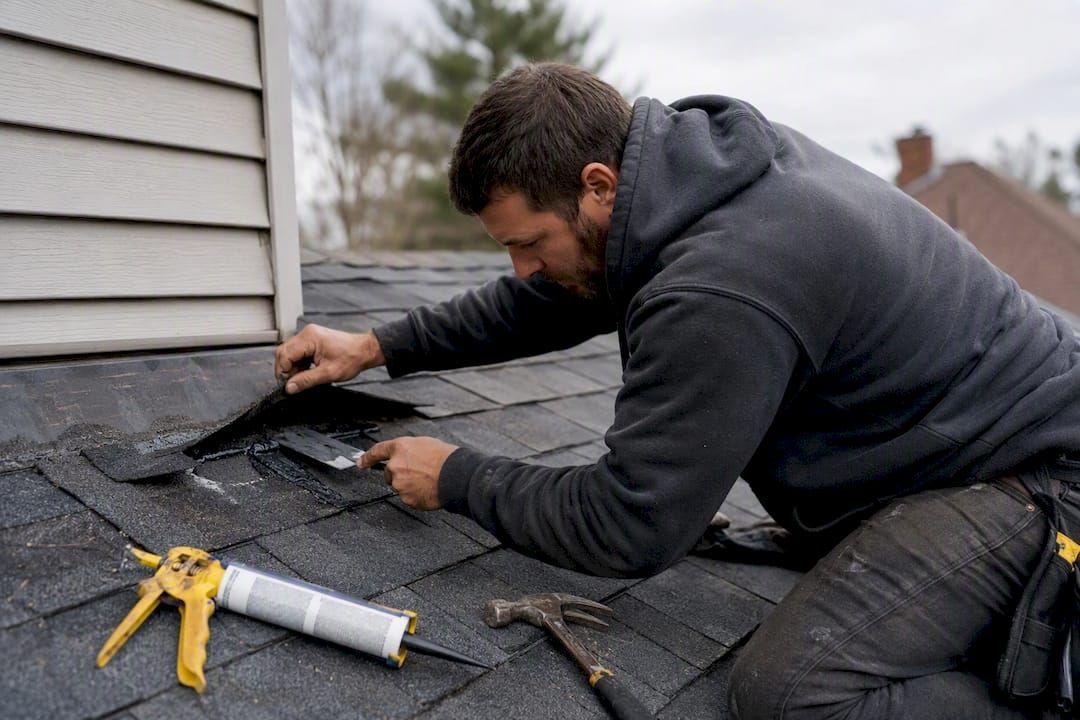
A workmanship warranty is issued by the roofing contractor, not the manufacturer. It covers installation errors such as improper flashing, incorrect nailing patterns, poor sealing around penetrations, and inadequate underlayment installation. These are the failures that cause leaks and structural damage years after a new roof is installed.
Workmanship warranties range from 1 to 25 years depending on the contractor's certification level. A standard contractor may offer a 1 or 2-year workmanship warranty. A GAF Master Elite certified contractor can offer up to 25 years of workmanship coverage. That gap is enormous in practical terms.
The timing of installation defects makes workmanship warranty length critical. Workmanship defects such as improper flashing frequently appear 3–5 years post-installation, well after a short workmanship warranty has expired. A homeowner with a 1-year workmanship warranty and a 30-year material warranty is essentially unprotected against the most common failure mode.
Key differences between workmanship and manufacturer warranties:
- Who issues it: Contractor vs. manufacturer
- What triggers a claim: Installation error vs. material defect
- Labor costs: Typically included in workmanship claims, excluded from basic manufacturer claims
- Transferability: Workmanship warranties often do not transfer to new owners; manufacturer warranties sometimes do with a fee
- Certification requirement: Higher workmanship tiers require the contractor to hold manufacturer certification
Studies show 71% of callbacks on roofs under 5 years old are caused by installation errors. That statistic makes a strong case for prioritizing workmanship warranty length when choosing a contractor.
Pro Tip: Always ask for the contractor's certification documentation before signing. A GAF Master Elite or Owens Corning Preferred contractor designation is not just a marketing badge. It directly determines the workmanship warranty length you qualify for.
Are system warranties worth the extra cost?
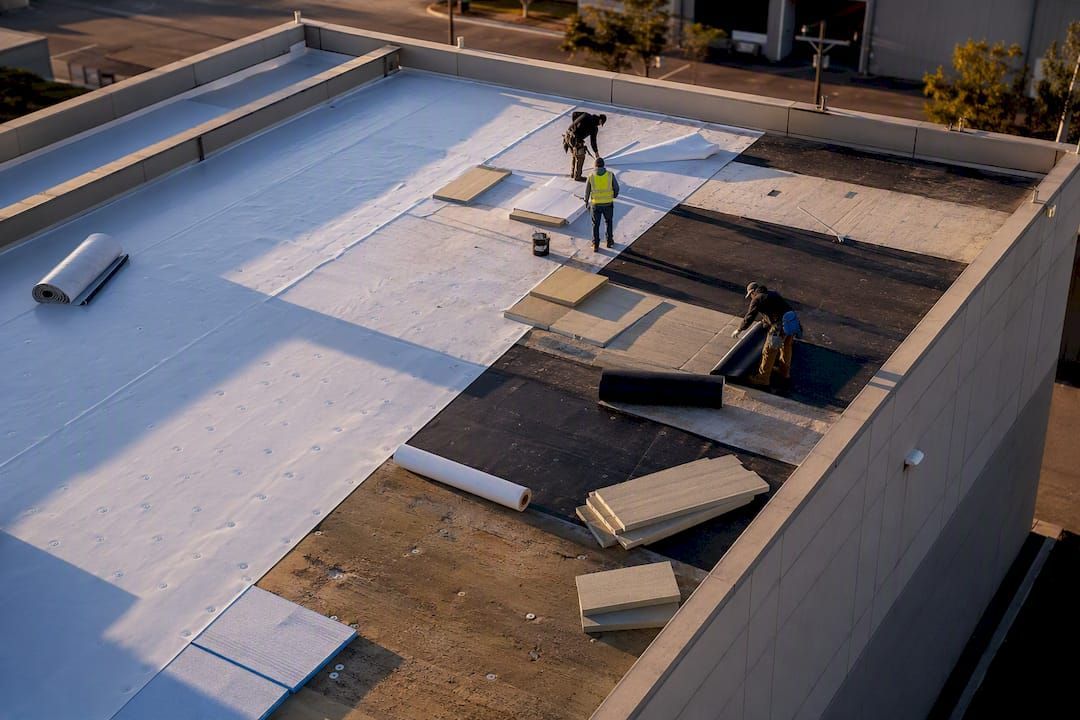
System warranties, also called enhanced warranties, combine material and workmanship coverage into a single policy. They represent the most complete answer to what a roof system warranty includes. GAF's Golden Pledge and Owens Corning's Platinum Protection are examples of system-level warranties.
| Feature | Standard Manufacturer Warranty | System Warranty |
|---|---|---|
| Coverage type | Material defects only | Material + workmanship |
| Labor included | No | Yes |
| Tear-off included | No | Yes |
| Coverage length | 25–30 years (prorated after 10) | Up to 50 years, non-prorated |
| Installer requirement | Any licensed contractor | Manufacturer-certified only |
| Cost premium | None | 5–15% higher project cost |
Certified installers represent fewer than 3% of roofing contractors nationwide. That scarcity is not accidental. Manufacturers restrict certification to contractors who meet training, quality, and insurance standards. The result is a much smaller pool of eligible installers, which is why most homeowners never receive a system warranty offer unless they specifically ask.
The cost premium for a system warranty is real. Using certified contractors adds 5–15% to project costs. For a $15,000 roof replacement, that means $750 to $2,250 more upfront. Given that labor and tear-off alone can exceed 80% of replacement costs, that premium buys protection against the largest potential expense in a warranty claim.
A coverage gap exists when roof failures involve both materials and installation errors. Without a system warranty, manufacturers and contractors can each point to the other party as responsible, leaving the homeowner stuck in the middle with no clear path to a paid claim.
What are the most common roof warranty exclusions?
Roof warranty exclusions define the boundaries of coverage just as clearly as what is included. Most homeowners learn about exclusions only after a claim is denied.
Most roof warranties exclude storm damage, natural disasters, and damage caused by improper maintenance or unauthorized repairs. Storm damage falls under homeowner's insurance, not the roofing warranty. That distinction matters when a hail event damages shingles that also show a manufacturing defect.
Actions that void a roof warranty include:
- Hiring an uncertified contractor for repairs or modifications
- Pressure washing the roof surface, which strips granules and accelerates wear
- Adding rooftop equipment such as HVAC units or solar panels without manufacturer approval
- Failing to register the warranty within the required window after installation
- Skipping required maintenance such as clearing debris from valleys and gutters
- Inadequate attic ventilation , which causes premature material failure from heat buildup
Poor nailing, missing flashing, and inadequate ventilation are among the most common causes of warranty voidance. The ventilation issue is particularly overlooked. A poorly ventilated attic can raise roof deck temperatures high enough to cook shingles from below, and the manufacturer will deny a claim if ventilation does not meet their specifications.
A roofing maintenance plan is one of the most practical tools for keeping warranty coverage intact. Regular inspections catch small problems before they become warranty-voiding damage.
How to file a roof warranty claim without losing coverage
Filing a warranty claim correctly is as important as having the warranty in the first place. A poorly documented or misdirected claim gets denied even when the underlying defect is legitimate.
Follow these steps when a roofing problem appears:
- Identify the failure type. Determine whether the problem looks like a material defect (cracking, granule loss, curling) or an installation error (leaking at flashing, lifted shingles near penetrations). This determines whether you contact the manufacturer or the contractor first.
- Pull your warranty documents. Locate the original warranty certificate, the installation date, the contractor's name, and the registration confirmation. Missing documentation is the fastest path to a denied claim.
- Register the warranty if you have not already. Many manufacturers require registration within 30–60 days of installation. Check your documents immediately after a new roof is installed.
- Document the damage with photos and dates. Take time-stamped photos of every visible defect. Note when you first observed the problem and whether any weather events preceded it.
- Contact the right party first. For material defects, call the manufacturer's warranty claims line. For installation errors, contact the original contractor. For system warranty claims, the process is typically handled through the manufacturer.
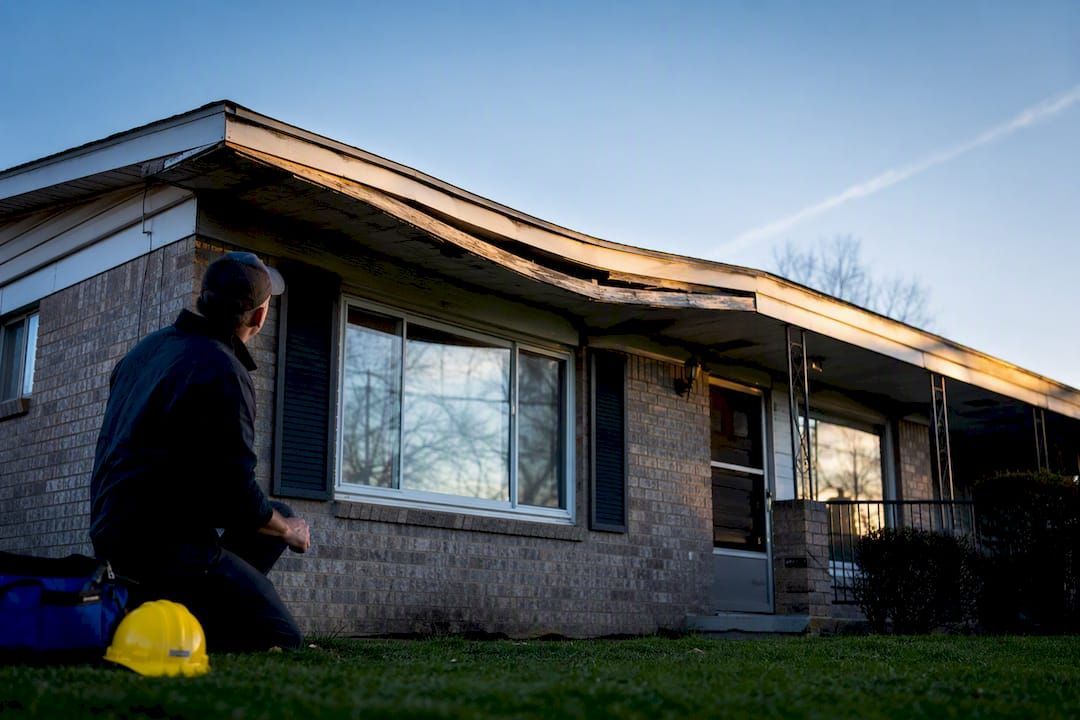
- Get a professional inspection. A roof inspection by a certified contractor creates an independent record of the defect. This documentation supports your claim and removes ambiguity about the cause of failure.
- Avoid unauthorized repairs. Do not hire a non-certified contractor to patch the problem while waiting for a claim decision. Unauthorized repairs void most warranties immediately.
Pro Tip: Keep a dedicated folder, physical or digital, with your warranty certificate, installation contract, permit, and all inspection reports. A homeowner who can produce complete documentation files claims faster and wins more often.
Key Takeaways
A roof warranty covers material defects, installation errors, or both, but only if the right warranty type is in place and the homeowner follows all maintenance and registration requirements.
| Point | Details |
|---|---|
| Three warranty types exist | Manufacturer, workmanship, and system warranties each cover different failure types. |
| Proration reduces manufacturer value | Most manufacturer warranties become prorated after year 10, sharply limiting payout. |
| Workmanship length matters most | Defects often appear 3–5 years post-installation, so short workmanship warranties leave owners exposed. |
| System warranties close the gap | Combined coverage prevents manufacturers and contractors from deflecting responsibility to each other. |
| Exclusions can void coverage | Pressure washing, uncertified repairs, and missing registration are the most common ways homeowners lose coverage. |
What I've learned after years of watching homeowners lose warranty claims
The most expensive mistake I see homeowners make is assuming the warranty that came with their shingles covers everything. It does not. A 30-year shingle warranty is a material warranty. It covers the shingle. It does not cover the labor to remove it, the new underlayment beneath it, or the contractor who nailed it wrong in the first place.
The second mistake is hiring the cheapest contractor and assuming the warranty protects against their errors. A 1-year workmanship warranty from an uncertified installer is nearly worthless. Installation problems show up at year 3 or year 4, right after that coverage expires. By then, the contractor may not even be in business.
My honest advice: the warranty details should drive your contractor selection, not the other way around. Find a manufacturer-certified contractor first. Then ask what system warranty that certification unlocks. The 5–15% cost premium for certified work is real, but it buys non-prorated, labor-inclusive coverage that a basic shingle warranty never provides.
Proactive maintenance is the other half of the equation. A roof inspection every 1–2 years catches the small failures, loose flashing, clogged valleys, cracked sealant, before they become warranty-voiding damage. The homeowners who get the most out of their warranties are the ones who treat the warranty as a living document, not a piece of paper filed away and forgotten.
— Cesar
Upstateroofingpros: warranty-backed roofing done right
Understanding your warranty is one thing. Having a certified contractor who can actually deliver it is another.
Upstateroofingpros works with manufacturer-certified installers who qualify for system-level warranties, the kind that cover both materials and labor without proration. Whether you need a roof repair that preserves your existing warranty or a full roof replacement with maximum coverage, the team at Upstateroofingpros brings the documentation, certification, and expertise to back it up. Schedule a professional roof inspection today and get a clear picture of your current coverage status before a problem forces the issue.
FAQ
What does a standard roof warranty cover?
A standard manufacturer warranty covers material defects such as granule loss, cracking, and curling but excludes labor, tear-off, and installation errors. A separate workmanship warranty from the contractor covers installation failures.
How long does a roof warranty last?
Manufacturer warranties typically run 25–30 years, but most become prorated after year 10. Workmanship warranties range from 1 to 25 years depending on contractor certification level.
What voids a roof warranty?
Hiring an uncertified contractor for repairs, pressure washing the roof, failing to register the warranty, and inadequate attic ventilation are the most common causes of warranty voidance.
What is a system warranty and who qualifies for it?
A system warranty combines material and workmanship coverage into one policy, offering up to 50 years of non-prorated protection. Only manufacturer-certified contractors, who represent fewer than 3% of roofers nationwide, can issue system warranties.
Does a roof warranty cover storm damage?
Roof warranties do not cover storm damage or natural disasters. Storm damage is covered by homeowner's insurance, not the roofing warranty.